crpierce
-
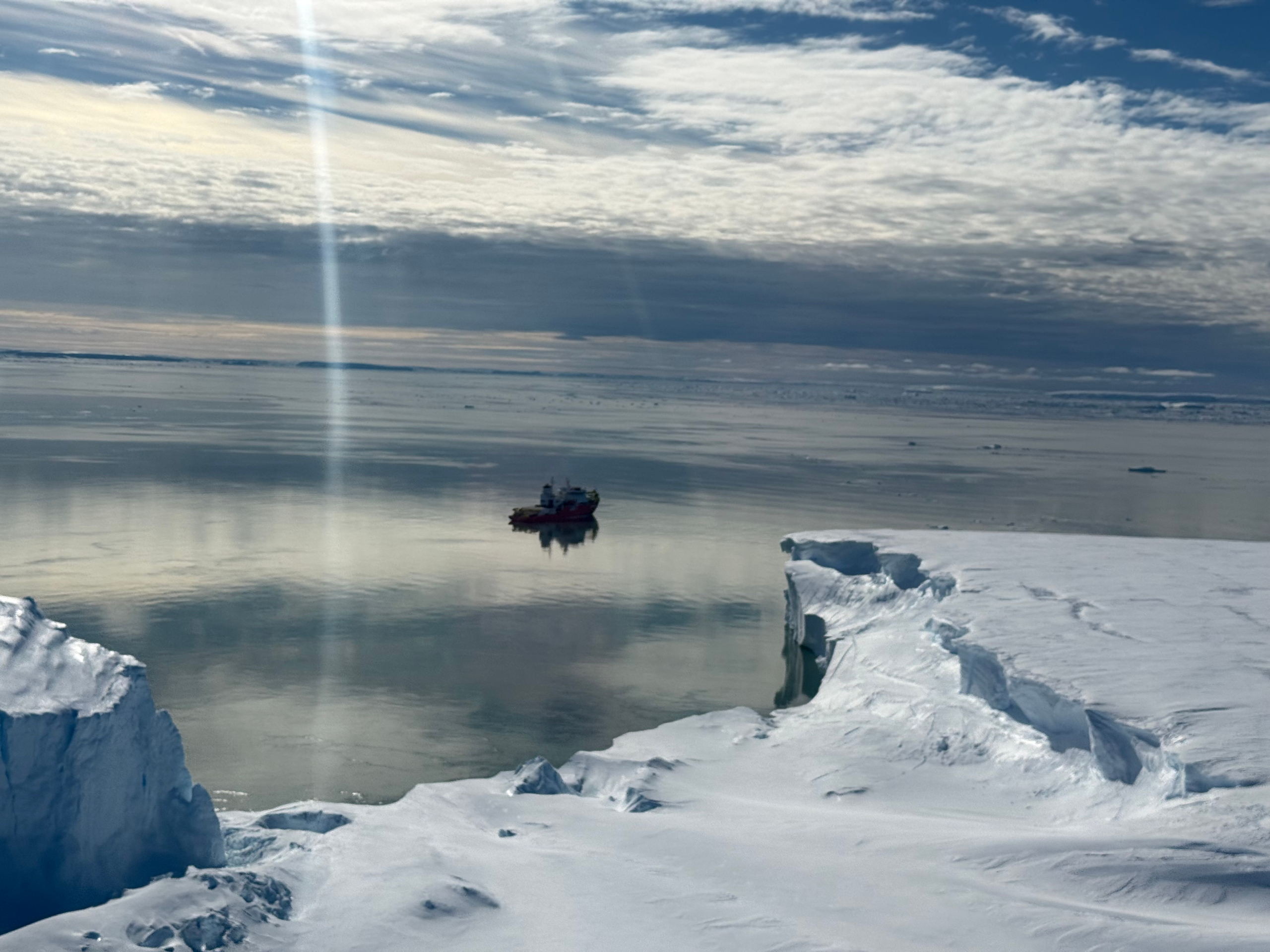
Post-Processing a Calving Event
(Feb 15-25, 2026) Weather in the South Pacific over our final days at sea tested both our balance and our gastrointestinal fortitude. Days under grey skies and rough seas are mentally taxing. Most of us operated at something approaching half our normal cognitive capacity. Under these conditions, a mediocre scientist like myself cannot be trusted
-
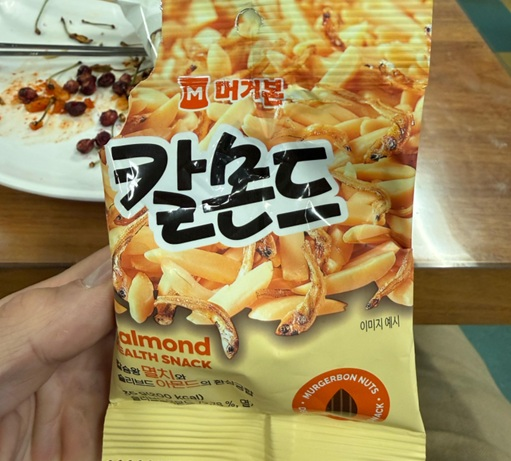
Marine–Casein Composites and Cephalopod Biomass Metrics
(Feb 9-14, 2026) We’ve been cruising back toward Christchurch at 12 knots — roughly the pace most people could comfortably jog. At that speed, it takes about 10–12 days at sea to make the 5500 km (3000 nautical mile) journey. Although we’re done collecting scientific data, there are still plenty of experiences left to be
-
End of Acquisition
(Feb 3-8, 2026) There was no more radar to fly, and no more digging or disassembly left to do at camp. It was clear that life on the Araon was entering a new phase—one oriented less toward acquisition and more toward wrapping things up. That’s not to say the work was finished. Jamin and his
-
Day of the Marmota Monax (a.k.a. the Real Groundhog Day)
(Jan 31-Feb 2, 2026) Every year in early February, the mayor of Punxsutawney, Pennsylvania gets dressed up, wakes a large rodent, grabs him by the scruff of the neck, and makes a spectacle of him in front of an impressive number of cameras. If the rodent scurries back into his burrow, it is an omen
-

Field Notes on Second-Order Observations
(Jan 31, 2026) We were asked to uninstall our radar system on January 31 so the helicopter could be used to break down camp and ferry people back to the Araon. That was no problem for us. We’d had six solid days of survey flights, covering many of our highest-priority science objectives. Some might scoff
-
Operational Turbulence and Minty-Fresh Regret
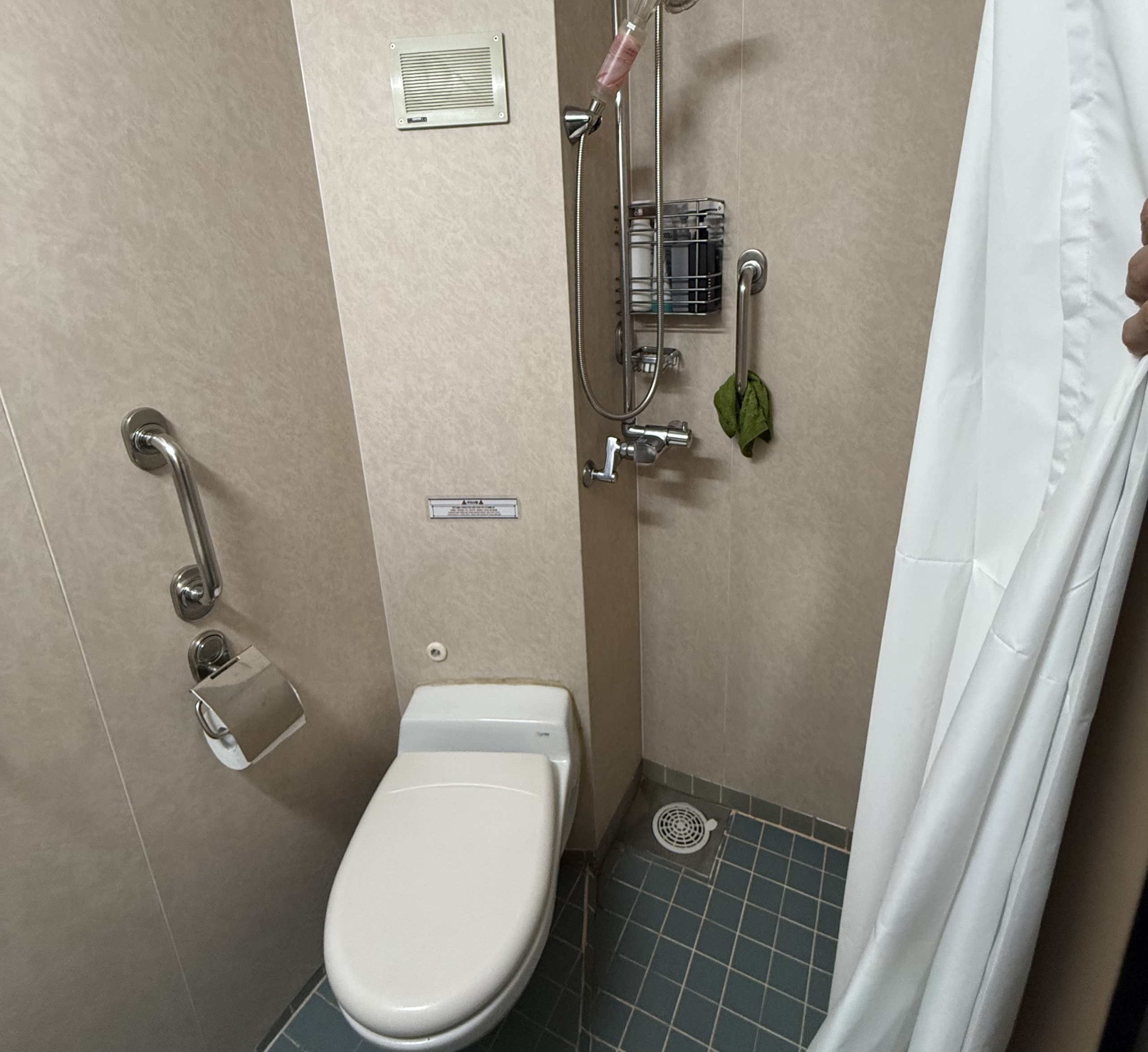
(Jan 23-30, 2026) Many people are surprised to learn that much of Antarctica is consistently drier than the Sahara, with abundant sunshine (in summer) and remarkably few clouds. That said, conditions in this part of the continent are fickle. Clouds and precipitation have a habit of spontaneously materializing when relatively warm ocean water meets cold
-
Helicopter Surgery and Debugging Antarctica
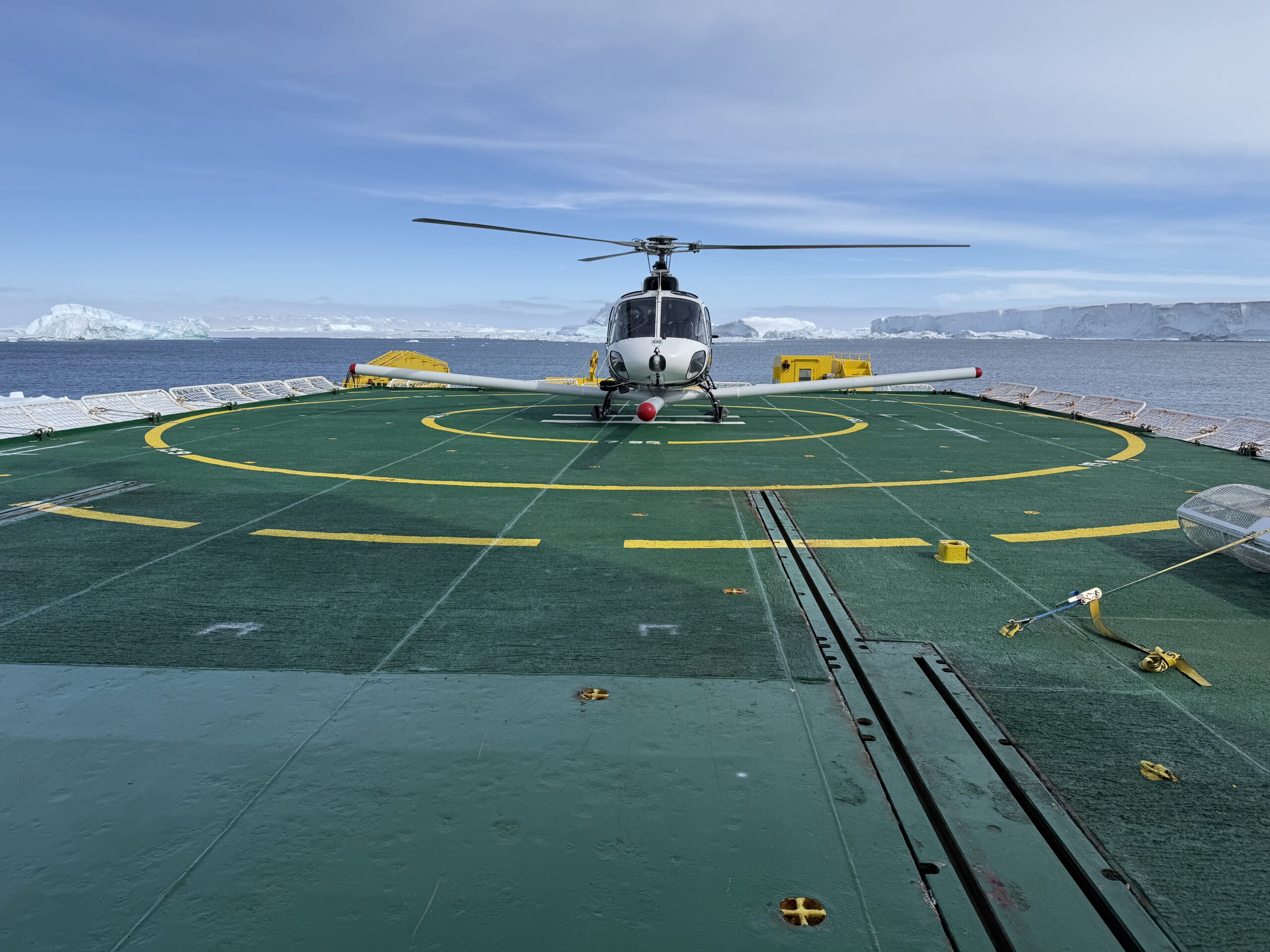
(Jan 20-22, 2026) Once the spindrift from drill camp setup settled, it was my team’s day in the sun. Literally. After weeks of bad weather that had kept many of the Araon’s science projects hostage, the pattern finally shifted, and we found ourselves installing our radar into one of the helicopters under clear blue skies.
-

Observing Yet Another Change in State
(Jan 17-19, 2026) Last time I wrote about passing the slower stretches of this voyage. The metaphor of finding “signals” amidst noise is an interesting one — unexpected subtleties hidden in complex data can be challenging, but deeply rewarding, to identify. Similarly, no one came aboard the Araon expecting a community vibe, new hobbies, or
-

Chasing Signal in a Noisy Sea
(Jan 13-16, 2026) With gloomy weather forecast for the next several days, we departed our icy harbor amid the massive icebergs that once formed the Thwaites Ice Shelf. Our destination was the polynya of Pine Island Bay, where the physical oceanography team would collect CTD (conductivity, temperature, depth) profiles and deploy moorings— instruments left behind
-

The Fish Gut Soup of Field Science
(Jan 9-12, 2026) It was a partly to mostly sunny morning with almost no wind when I got up, and I could feel a little extra energy on the boat. More faces than usual gathered in the galley by 07:15, waiting for our first helicopter operations meeting on the bridge. There was eager anticipation that